Need
Supplier need
Prepare replenishment around product and supplier context.
Suppliers Catalog
Supplier planning
Keep supplier needs, purchase activity, receiving expectations, replenishment, product availability, cost context, reports, and accounting review connected without merging Purchase into Inventory.
Stock operation
Purchase keeps supplier planning and receiving close to inventory, product availability, and reporting context.
Supplier to stock path
Supplier
Receiving
Inventory
POS/Site availability
Stock ledger
Availability and movement
Supplier path
Purchase activity can be planned around supplier and replenishment context.
Stock movement
Receiving and movement signals stay close to product availability.
Reporting context
Stock and purchase activity can support operational review.
Supplier flow
Purchase begins before stock changes. The workflow captures supplier need, purchase planning, receiving expectations, and review context.
Follow the operations rail
Read from purchase request to reporting visibility. Each step keeps stock, products, POS, Site, and accounting context aligned.
Guided sync path
Purchase request to supplier, receiving, availability, POS/Site stock, and reports.
Need
Prepare replenishment around product and supplier context.
Order
Track supplier-oriented activity and receiving expectations.
Receive
Receiving can update stock and availability as part of the selected stock workflow.
Review
Purchase context supports reporting and accounting review.
Receiving devices
Use hardware planning to decide whether purchasing needs scanner access, a receiving workstation, or document output.
Payment terminal
Printer
Scanner
Browser access for supplier activity, receiving, and replenishment review.
Product lookup and receiving support when the purchase workflow needs it.
Print planning for supplier or receiving paperwork where required.
Cost visibility, stock readiness, and reporting context after receiving.
Show current scanners and receipt-printer hardware that can support receiving and product movement workflows.
Connected capabilities
A purchase workflow is useful when supplier activity, receiving, replenishment, stock availability, and cost review need one trail.
Stock visibility, availability, movement, and selling-channel alignment.
Products, categories, brands, collections, attributes, and variants for products that need them.
Finance records, review context, and accounting workflow readiness.
Operational reporting, daily close, and decision signals.
Common industry fit
Purchase matters most for businesses where replenishment timing, supplier ordering, or fresh stock affects sales readiness.
High-throughput checkout and stock-depth workflow for barcode lanes, replenishment, invoices, reports, and accounting context.
Checkout and stock focus
Keep fast checkout connected to product depth and barcode flow.
Fresh-product workflow for fast selling, product availability, purchase timing, inventory, and daily close.
Operating focus
Prepare product availability for fresh goods and counter rush.
Product-first retail workflow for checkout, stock, customers, campaigns, and online presentation.
Retail floor focus
Sell from the floor while product and customer context stay visible.
Catalog-rich retail for collections, sizes, colors, seasonal stock, customers, campaigns, and online presentation.
Catalog focus
Represent products through collections, sizes, colors, and variants.
Availability
Purchasing depth depends on plan, supplier workflow scope, receiving process, and reporting needs.
Use Pricing to compare subscription scope, selected modules, and rollout timing for this workflow.
This block uses the business operations blog category ID for purchase and replenishment guidance.
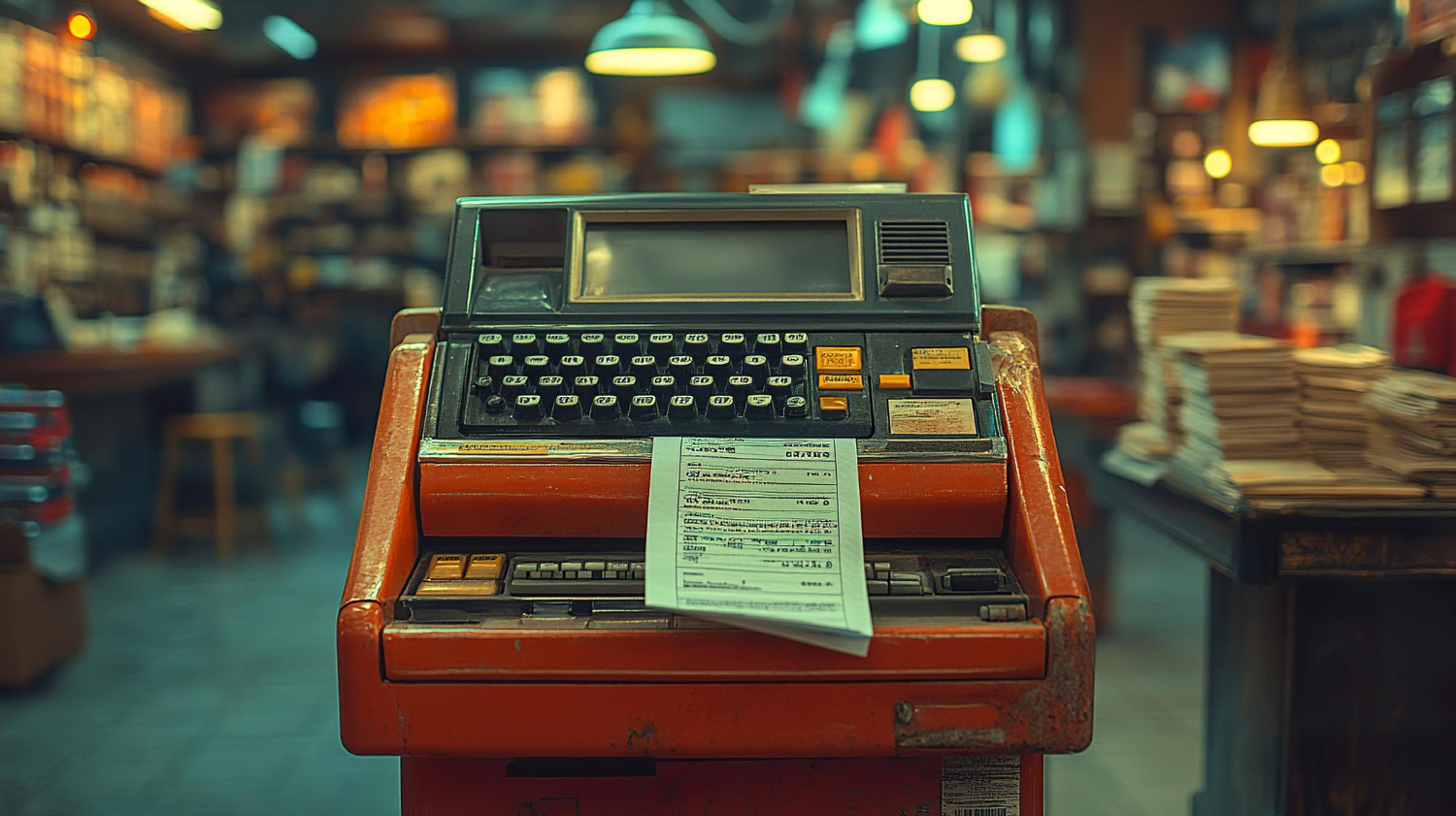
Thursday, 2 January 2025
An overview of the history of POS systems, their functionality, tax regulations, and an introduction to Lonio as a compliant solution in Austria.
Purchase planning
Use the demo to map replenishment triggers, receiving, availability updates, cost visibility, and review workflows.
Purchase
Supplier-oriented purchasing, receiving, and replenishment planning.
Industry fit
Supermarkets, Bakeries, Retail Stores, Clothing Stores
Receive concise workflow notes on evaluating capabilities, adjacent workflows, industry fit, and the next practical setup decision.